
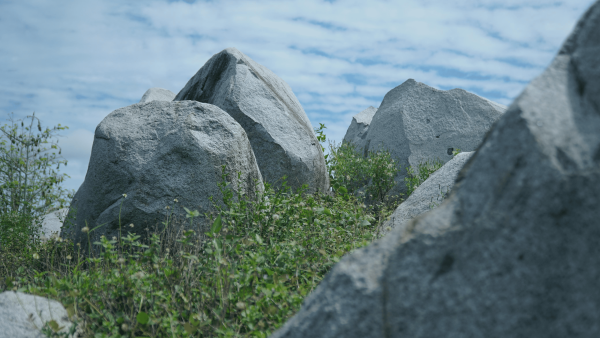
Saripi granodiorite is equivalent to Boliyohuto Diorite (Tmbo) which is Middle Miocene to Late Miocene age and belongs to period 2 (early magmatism-volcanism) of Gorontalo. The formation process of …
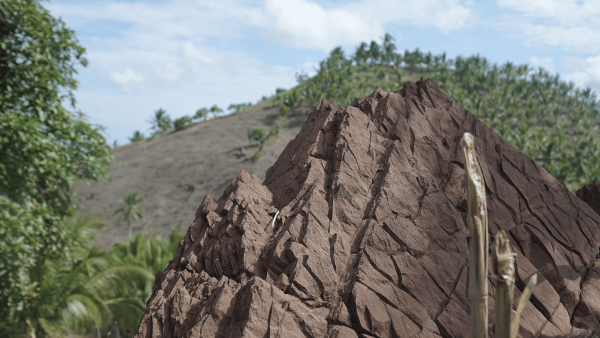
Dimito red limestone is compared to the Tinombo (Teot) Formation which is Eocene to Oligocene in age. Dimito red limestone belongs to period 1 (deep sea/ocean floor sedimentary rock) of Gorontalo.…
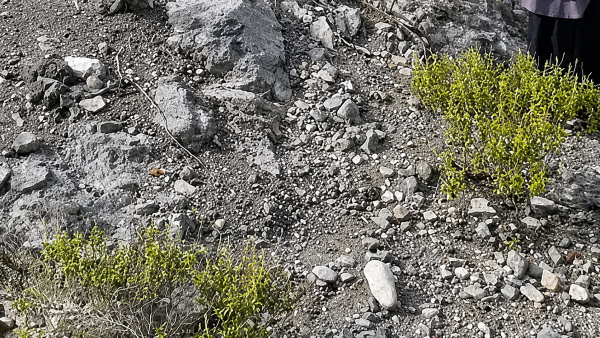
The stratigraphy of the Gorontalo Geopark ranges from ancient rocks to the youngest sediments. The oldest rock units include the Gabbro (Teog). Formed during the Eocene to Oligocene epochs, as well as the Tinombo Formation (comprising both sedimen…
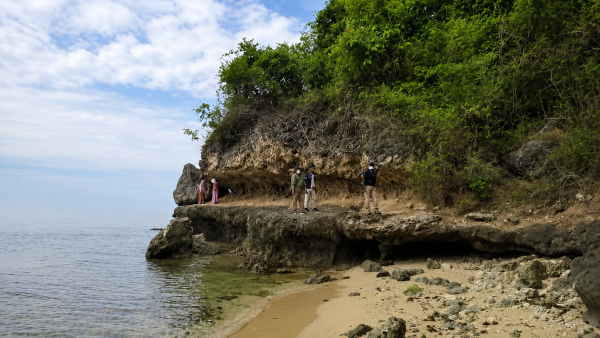
Kayubulan Beach has several geological features. The geological features found on Kayubulan Beach are Kayubulan cave, reef terrace, limestone notch, uplifted spur and groove, and limestone stack.…
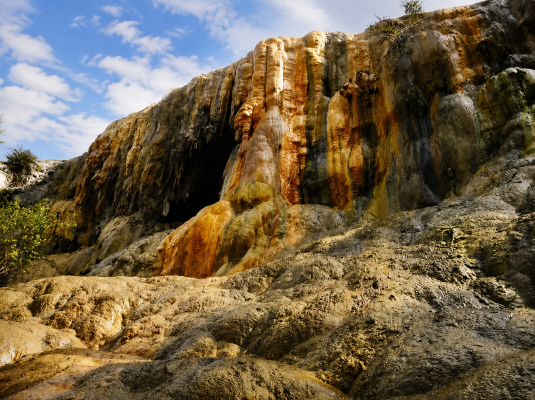
Batuan dan Bentang Alam Batugamping Hungayono Batuan Morfologi tebing pantai di kawasan ini tersusun oleh batugamping yang belum terkompaksi. K…
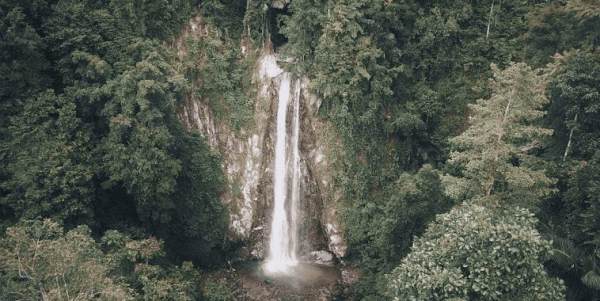
Located in Bone District, Bone Bolango Regency, at 0°22’13.02” N and 123°27’49.83” E, this geosite features granodiorite, a type of plutonic igneous rock that formed deep beneath the Ear…
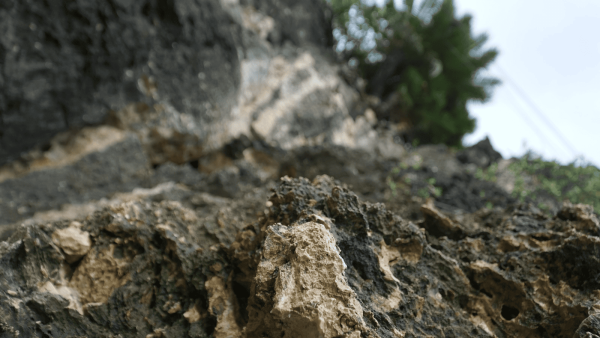
The Olele Limestone geosite, located in Olele Village, Kabila Bone District, Bone Bolango Regency, reveals an important chapter of the region’s geological history through the contact between two rocks of very dif…
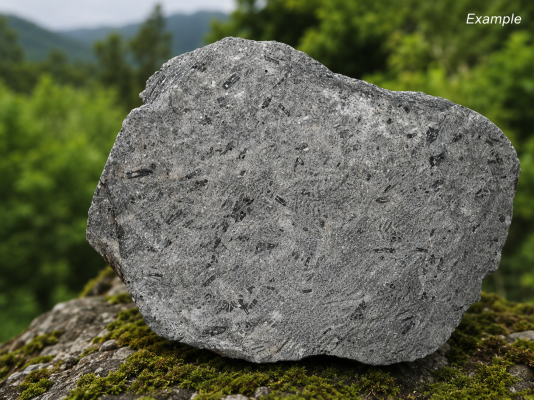
The Oluhuta Dacite Intrusion geosite, located in Oluhuta Village, Kabila Bone District, Bone Bolango Regency, features dacite, an igneous rock with columnar joints and sheet joints. The rock is gray in color and has a hypocrystalline, inequigranul…


 Indonesia