

 Indonesia
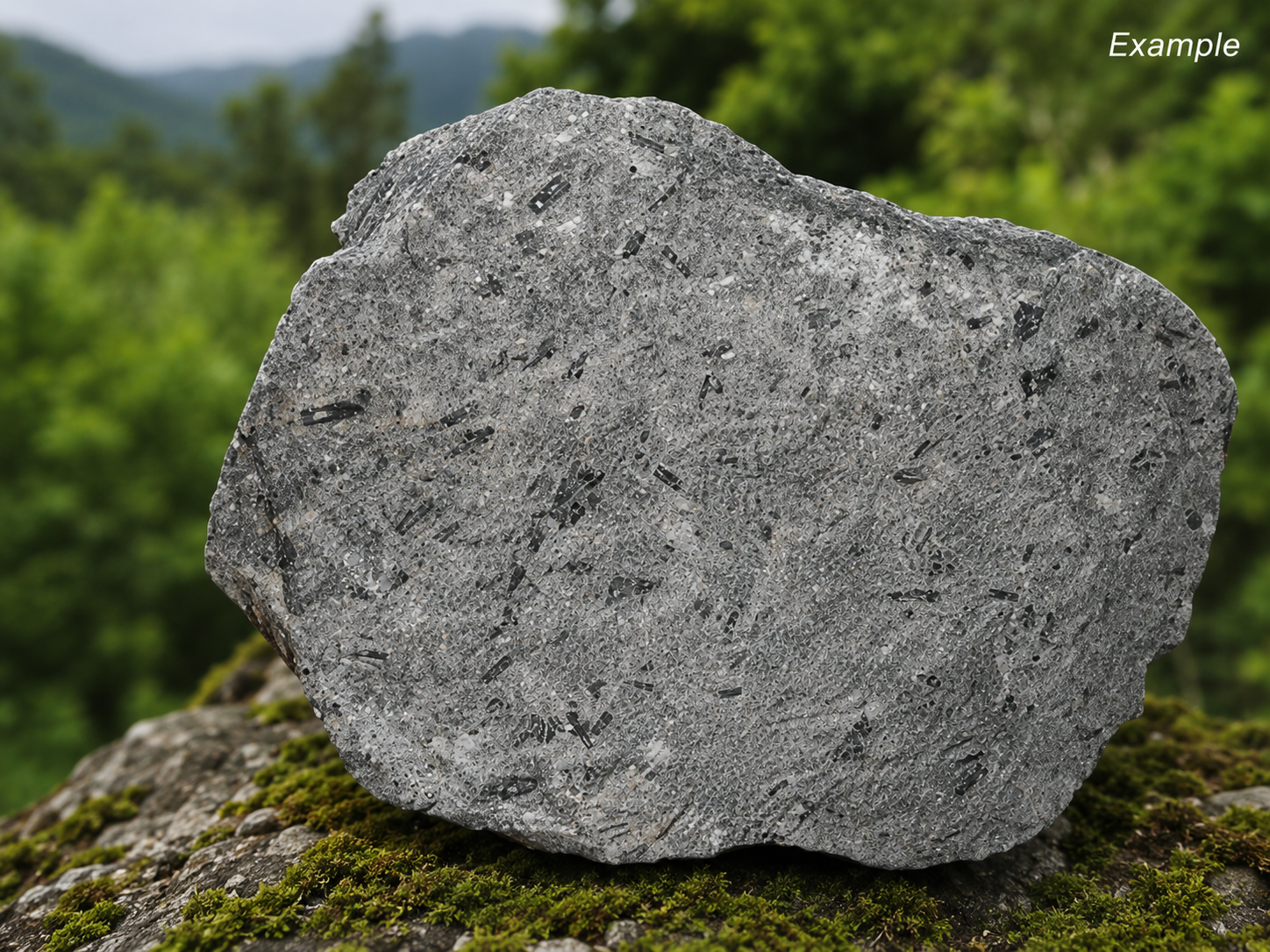
The Oluhuta Dacite Intrusion geosite, located in Oluhuta Village, Kabila Bone District, Bone Bolango Regency, features dacite, an igneous rock with columnar joints and sheet joints. The rock is gray in color and has a hypocrystalline, inequigranular vitrophyric texture. It is composed of quartz, plagioclase, and biotite minerals with medium- to fine-grained, euhedral to subhedral crystals, embedded in a volcanic glass groundmass.

The surrounding landscape consists of rolling structural hills with steep slopes that border the sea. These landforms are made up of the remains of a dacite dome, which is estimated to have formed during the Middle to Late Miocene, about 11.6–5.3 million years ago. Together, the rocks and the landscape provide a clear record of the volcanic and geological processes that shaped the area millions of years ago.